
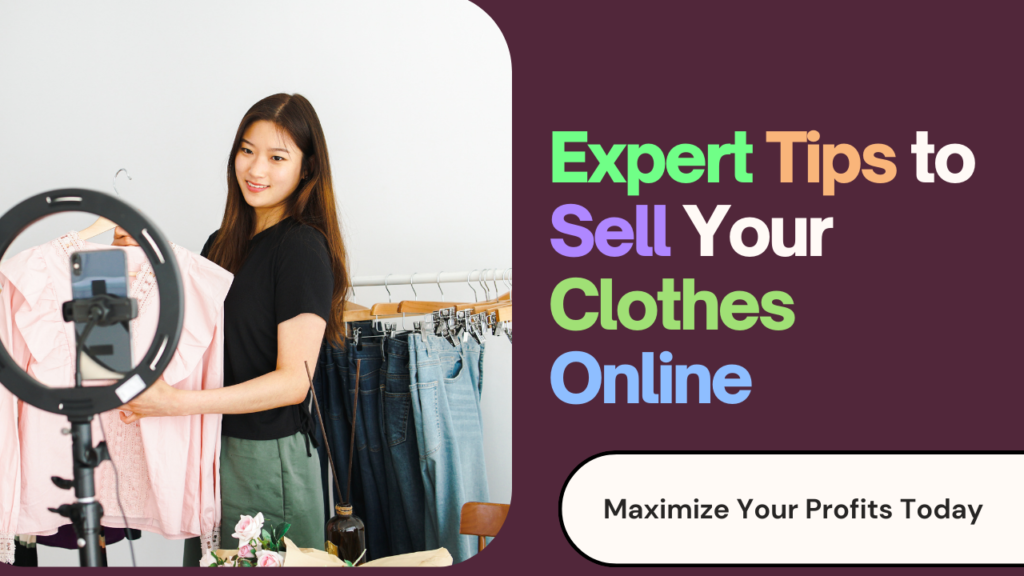
Selling your clothes online isn’t just a smart way to make extra cash—it’s one of the easiest ways to clear out your closet while embracing sustainable fashion. With countless online platforms catering to different audiences, you can reach buyers looking for exactly what you’re offering. Whether it’s unworn pieces or gently used favorites, there’s real potential to turn your wardrobe into profit. In this post, we’ll share tried-and-true tips to help you get the best price for your items, from crafting the perfect listing to choosing the right platform.
Choose the Right Platform for Your Clothes
Not all platforms are created equal when it comes to selling clothes online. Each one has its own vibe, target audience, and fee structure, which means the platform you choose can make or break your selling experience. Below, we’ll break down some of the top contenders to help you decide where your items will thrive.
Poshmark: Perfect for Trendy Casualwear

Photo by Kampus Production
Poshmark is a social platform that feels like a stylish online marketplace combined with a community of fashion lovers. It’s perfect for trendy and casual pieces—think fast fashion finds, mid-tier brands, and seasonal favorites.
How does it work? Poshmark sellers list items in their “closets,” which can then be shared within the app or during virtual “Posh Parties” that cater to niche themes. This social interaction boosts visibility and creates a fun, community-centric way to sell your pieces.
Success Tip: Share your listings regularly and interact with other users by liking or commenting on their items. The more active you are, the more attention your closet receives.
While Poshmark takes a 20% commission (or $2.95 on sales under $15), the platform’s simplicity and socially driven structure make it ideal for casual clothing sellers aiming to make quick sales.
eBay: Best for Extensive Reach
eBay has a global audience, making it one of the most versatile platforms for selling clothes. From luxury handbags to vintage tees, nearly every apparel category has a home here. Sellers can opt for auction-style listings or set a fixed price, giving flexibility based on how fast you want to sell your items.
One of eBay’s strengths is its search visibility tools, such as promoted listings, which help your items reach the right buyers. Even older, niche pieces tend to find a market on eBay, due to its massive user base.
Success Tip: Provide clear and detailed descriptions, accurate measurements, and plenty of high-quality photos. Buyers value transparency and will return to trusted sellers.
eBay fees vary based on categories, but the competitive seller tools and international reach make it a great option if you’re ready to cast a wide net with your listings.
The RealReal: Luxury Consignment
For designer and high-end clothes, The RealReal is your best bet. This platform caters exclusively to luxury brands, ensuring that buyers come specifically for premium names like Louis Vuitton, Chanel, or Gucci.
Unlike other platforms, The RealReal works on a consignment model. You send your items to their team, and they take care of the photography, listing, and customer service. Commissions range between 40% and 85%, depending on the item’s value and seller incentives.
Success Tip: Before you consign, check their accepted brands and current selling trends in their Designer Directory. This ensures your clothing or accessories have the best potential for sale.
If you’re cleaning out a closet full of designer labels and want a hands-off selling process, The RealReal is an excellent choice.
Mercari and Depop: Niche and Vintage Appeal
Looking to sell something unique or quirky? Mercari and Depop have niche audiences that embrace individuality.
Depop has built a reputation as the go-to platform for vintage, retro-inspired, and unique clothing. It’s almost like Instagram got a resale shop—users value aesthetics, storytelling, and modeled photo shoots. Depop skews younger, with Gen Z heavily represented.
Mercari, on the other hand, appeals to a broader audience with less focus on imagery and more on accessibility. It’s quick and easy to use, making it ideal for sellers with items they want gone fast without much fuss. Mercari’s prepaid shipping options streamline sales even further.
Success Tip for Depop: Include styled photos and creative descriptions. Utilize hashtags and Depop’s video feature to stand out to this fashion-forward crowd.
Success Tip for Mercari: Price your items competitively and use Mercari’s Smart Pricing feature to automate price adjustments as needed.
Whether you’re looking to sell niche styles or flip a forgotten vintage gem, these platforms cater to sellers with something unique to offer.
Prepare Your Clothes for a Professional Presentation
Before listing your clothes online, it’s essential to ensure they are in pristine condition and presented attractively. A polished appearance not only boosts the perceived value of your items but also builds trust with potential buyers. Here’s how to prepare your clothes for maximum appeal.
Remove Stains and Repair Damages
No buyer wants surprises when they open their package. If your clothing has stains, tears, or missing buttons, now’s the time to address these issues. Carefully inspect each item, and prioritize repairs or cleaning as needed.
- For stains, use a fabric-appropriate stain remover or take the item to a professional cleaner.
- Fix small damages like loose hems or missing buttons, which take just a few minutes but make a big difference.
- Be upfront about imperfections you can’t fix. Include clear photos of these flaws in your listing, accompanied by a brief, honest description. Transparency builds trust and reduces the chances of returns or negative reviews.
Selling items in excellent condition ensures happy buyers, which could lead to repeat purchases or positive word-of-mouth.
Steam or Iron for a Polished Look
Wrinkled clothing doesn’t photograph well and can make items look neglected. Take the time to either steam or iron each piece to perfection before snapping photos.
- Use a steamer for delicate fabrics such as silk or chiffon to avoid heat damage.
- Iron sturdier materials like cotton or denim for sharp, crisp lines.
- Hang or fold the garments immediately after steaming to retain their smooth appearance.
A polished finish makes clothes look as appealing as they would in a retail store, boosting buyer confidence and potentially increasing your sale price.

Photo by Ron Lach
Organize and Photograph Items Effectively
When it comes to online shopping, photos are your first opportunity to impress. Organizing your setup for photography is crucial to creating a clean, professional look.
- Choose a neutral, clutter-free background: A white sheet or plain wall works perfectly to highlight the clothing.
- Use natural lighting: Position your items near a window to avoid harsh shadows. If natural light isn’t available, use soft artificial light for even coverage.
- Style the pieces: Consider items like hangers, mannequins, or flat-lay techniques to display your clothing. Avoid shooting clothes laid out haphazardly, as this creates a messy impression.
- Capture details: Snap close-ups of unique elements like zippers, buttons, logos, or patterns. Don’t forget to showcase any labels or tags.
Well-lit, organized photos make your items look more professional, increasing buyer interest and trust in your listings. Excellent images can be the deciding factor that turns a casual browser into a serious buyer.
Craft Compelling Listings That Sell
Whether you’re selling clothes from your closet or starting a small business, creating listings that grab attention is a must. Your listing is your digital sales pitch—it’s how you convince buyers that your item is worth their time and money. Stand out in the crowded marketplace with these actionable tips.
Add Detailed Item Descriptions
A strong description can make all the difference between a fast sale and your item sitting idle for months. Buyers want confidence that what they’re purchasing will meet their expectations. Here’s what to include:
- Size and Fit: Clearly list the size, but go beyond by adding measurements (e.g., waist, inseam, length). Descriptive sizing reassures buyers and reduces the risk of returns.
- Brand Name: Many shoppers search for specific brands. Mentioning the brand, especially if well-known, will boost visibility and show quality.
- Material: Clothing material matters for both comfort and care. Be upfront about fabrics like 100% cotton, silk, or blends.
- Condition: Is your item new with tags, gently worn, or vintage? Be honest about its wear and include any imperfections with photos to match.
- Styling Ideas: Highlight how buyers can style your piece! Suggest seasonal pairings or ways to dress it up or down, giving your listing a personal, thoughtful touch.
Pro tip: Write like you’re chatting with a friend. Instead of “This is a dress,” say, “This flowy maxi dress is perfect for a summer day or a beach vacation.” Emotion sells!
Include Multiple High-Quality Photos
A picture speaks louder than words, and this couldn’t be truer for online sales. Potential buyers rely heavily on visuals to evaluate what you’re offering, so great photos are essential.

Photo by Kampus Production
Make sure to include these photo angles and details in your listing:
- Front and Back: Show the full outfit from all sides so buyers have a complete view.
- Close-Ups for Details: Highlight things like intricate patterns, buttons, zippers, or embroidery.
- Brand Tags or Labels: Capture a clear shot of the brand label and material tag to ensure authenticity.
- Lifestyle or Modeled: If possible, add a photo of the item being worn or styled, as it helps buyers envision themselves wearing it.
Bright, natural light works best but avoid harsh shadows. Use a neutral background, like a white wall or plain sheet, to make the clothing pop. And remember, blurry or dimly lit photos will turn buyers away.
Set Fair and Competitive Pricing
Pricing can feel tricky, but it’s one of the biggest factors in whether your item will sell quickly. Avoid overpricing by doing some market research beforehand.
- Check Comparable Listings: Search similar items on the platform where you’re selling. Take note of brand, condition, and pricing trends. This gives you a baseline to work from.
- Consider Condition: Items in “like new” condition can command higher prices, but gently worn or vintage pieces may need to be lowered to compete.
- Factor in Demand: Is it seasonal? A cozy sweater will sell better in fall and winter, while swimsuits are usually in demand during spring and summer.
If you’re unsure, aim for competitive pricing, but leave room for negotiation. On some platforms, buyers expect to haggle, so pricing just above your target sale price allows for happy compromise.
By setting a fair price and backing it with detailed descriptions and vibrant photos, you drastically improve your chances of a fast and successful sale. Perfecting these elements not only increases your visibility but also helps build trust with buyers.
Manage Transactions and Shipping Efficiently
Smooth transactions and reliable shipping are the backbone of a successful online clothing business. From effortless communication with buyers to efficient packaging and shipping, every detail counts. Here’s how to keep everything running smoothly and leave your customers delighted.
Leverage Platform Messaging Tools
Clear and polite communication with buyers is key to selling your clothes successfully online. Messaging tools on platforms like eBay, Poshmark, or Depop make it easy to engage directly with potential buyers, build trust, and close deals efficiently.
- Respond Promptly: Nobody likes waiting for answers. Check your messages regularly and aim to reply within a few hours. Quick responses show buyers you’re serious and attentive.
- Be Polite and Transparent: Always be polite, even if a buyer asks a lot of questions or offers a lowball price. Be upfront about the condition of the item to avoid any misunderstandings.
- Clarify Key Details: If buyers want more information, give them precise and helpful answers. For instance, confirm the item’s measurements, brand, or any visible flaws.
Clear communication reduces confusion and creates happy buyers, making it more likely they’ll leave positive reviews or shop with you again.
Choose the Right Packaging and Shipping Approach
Your first impression doesn’t end when the sale is made—it extends to how the item arrives at the buyer’s doorstep. A thoughtful approach to packaging and shipping ensures that your clothes arrive in excellent condition.

Photo by Tima Miroshnichenko.
- Use Sturdy, Eco-Friendly Materials: Poly mailers or flat-rate boxes work great for most apparel. For delicate or high-value items, add tissue paper or bubble wrap for extra protection. Opt for eco-friendly materials if possible—customers appreciate sustainability!
- Measure and Calculate Shipping Costs Accurately: Before listing your item, weigh it in its packaging to determine shipping costs. Many platforms like eBay or Mercari offer built-in tools to calculate these for you.
- Label Clearly: Use a printed shipping label with the buyer’s full address to avoid any delivery mishaps. Double-check the address to ensure accuracy.
A package that looks clean, professional, and secure enhances the customer experience and keeps them coming back for more.
Track Shipments for Smooth Transactions
Buyers love knowing where their purchases are, and tracking offers them peace of mind. Adding tracking information to your orders can save you time and hassle down the line.
- Provide Tracking Numbers: As soon as you ship the order, send the buyer the tracking information. Most platforms automatically update this if you use their shipping services.
- Monitor the Delivery Progress: Keep an occasional eye on your shipments, especially for high-value items. If there’s a delay, notify the buyer proactively.
- Resolve Issues Quickly: If a package goes missing or gets delivered to the wrong address, reach out to the shipping company immediately. Keep your customer updated during the resolution process.
By staying on top of shipping details, you ensure buyers feel informed and taken care of, which helps build trust and boost your reputation as a seller.
Maintain a Positive Seller Reputation
Selling clothes online isn’t just about the price tag—your reputation as a seller plays a huge role in securing sales and repeat customers. Buyers want to know they’re dealing with someone trustworthy, so maintaining a positive image is just as important as the quality of your listings. Here are two key strategies to help you keep your reputation solid.
Request Feedback After Transactions

Photo by Gustavo Fring
Getting feedback isn’t just about racking up stars—it’s also a way to foster credibility in a competitive market. Most online selling platforms allow customers to leave reviews or ratings after their purchase. These ratings make your profile more visible and appealing to potential buyers.
- Send a Friendly Reminder: After completing a sale, message the buyer thanking them and gently remind them to leave feedback. Let them know how much you appreciate it—it makes the request feel genuine rather than pushy.
- Make the Process Easy: Some platforms let you send automated review requests, or you can include a short note in your package asking for feedback. Keep it polite and upbeat!
- Deliver the A+ Experience: Customers are more likely to leave positive reviews if the entire process is seamless. From quick responses to accurate descriptions and fast shipping, every touchpoint matters.
Think of feedback as digital word-of-mouth—one happy customer can attract dozens more. A strong rating builds trust and increases the likelihood that someone will choose you over another seller.
Handle Negative Reviews Gracefully
No matter how careful or professional you are, negative reviews may happen. They’re not the end of the world—in fact, how you handle them can strengthen your reputation. Responding thoughtfully shows other buyers that you care about customer satisfaction.
- Respond Promptly: Address the issue quickly, ideally within 24 hours. Slow responses can make buyers feel ignored, especially if they’re upset about their purchase.
- Stay Calm and Polite: Negative feedback can sting, but lashing out only escalates the situation. Acknowledge the customer’s complaint, even if you feel it’s unwarranted. For example, you could say, “I’m sorry to hear this item didn’t meet your expectations.”
- Offer Solutions: Sometimes, a simple gesture—like a partial refund, exchange, or friendly clarification—can turn a bad experience around. Handling such issues publicly (on the platform’s review page) also showcases your willingness to make things right.
- Learn and Improve: Take criticism as an opportunity to refine your service. If multiple buyers mention a specific issue (like shipping delays), figure out ways to prevent it and be transparent about any changes you’ve made.
Dealing with complaints professionally not only minimizes damage, but it can also win over customers who appreciate your efforts to make things right. Other buyers will see your responses and feel confident they’ll be treated fairly, even if something goes wrong.
Conclusion
Selling clothes online can be both rewarding and manageable when you focus on the essentials. From choosing the right platform to presenting professional listings and building a solid reputation, each step plays a key role in maximizing your profits.
The tools and tips you’ve learned here give you everything you need to start confidently. Take action today: select a platform, gather your items, and start creating standout listings. Remember, persistence and attention to detail can turn even decluttering into a profitable and enjoyable experience.
Your closet is filled with untapped potential—don’t wait to turn it into cash!